Log Splitter Hydraulic Problems and What Causes Them
Most splitter trouble comes from one of five places: fluid, pump, valve, cylinder or hoses.
October 16, 2026 · 4 min read
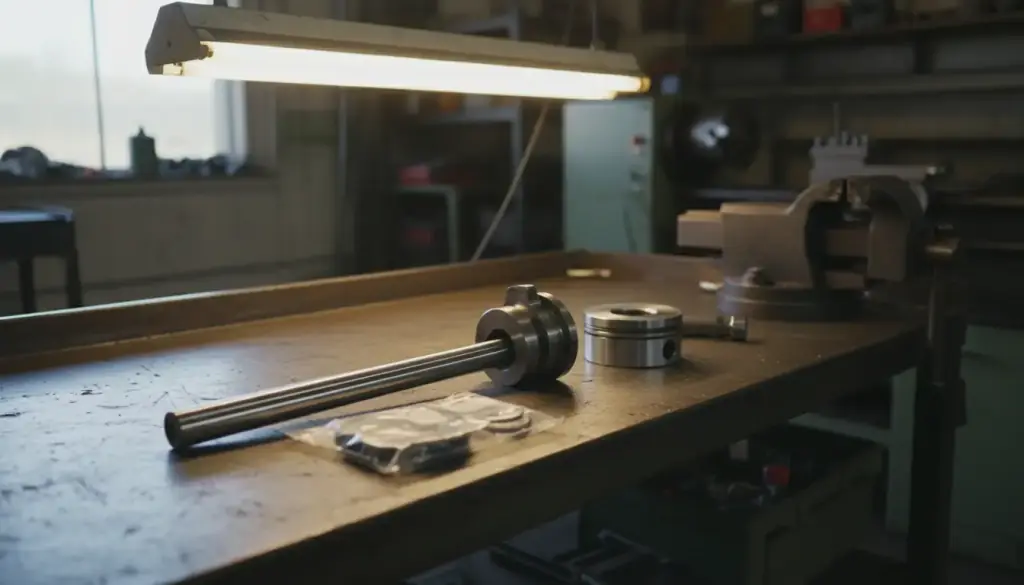
Why splitters are a good machine to learn on
A log splitter is one of the simplest hydraulic machines you can own. There's an engine or motor, a pump, a control valve, a cylinder and a few hoses, plus a tank of oil. When something goes wrong, the list of suspects is short. That also makes it a machine where a little diagnosis saves a lot of guessing.
Log splitters come through the parts counter at C & C Hydraulics. Two customer reviews on cchydraulics.com mention them: one from a customer who got help finding the exact part needed to get a splitter running, and another from a customer whose splitter got fixed after others couldn't manage it. Here's how to work through the common problems before you head in.
Start with the fluid
Check the oil level first, with the cylinder retracted. A low tank lets the pump suck air, and air makes the machine noisy, jerky and weak. Then look at the oil itself. Milky or foamy oil has air or water in it. Dark oil that smells burnt has been overheated. Oil with grit in it will wear out the pump and the valve.
Check the filter or the suction screen too, if your splitter has one. A clogged suction line starves the pump, and the symptoms look a lot like a worn pump. Use the oil type your splitter's manufacturer calls for, and don't mix fluids without a reason. In cold weather, thick oil makes everything sluggish until it warms up.
Weak splitting or a slow cycle
If the ram moves but doesn't have the force it used to, three things are common suspects. The first is a worn pump. Gear pumps lose efficiency as their internal clearances open up, so the flow drops and pressure won't build, especially once the oil is hot. The second is a relief valve that's stuck partly open or set too low, which lets oil bypass back to the tank before the cylinder gets full force. The third is the cylinder piston seal leaking internally, so the oil goes around the piston instead of pushing it.
A useful clue is when the problem shows up. A splitter that works fine cold and gets weak when hot often points to a pump or seal wearing, because thin hot oil slips past worn parts more easily. A splitter that is weak from the very start of the day is more likely the relief valve, a pump coupler or a restriction on the suction side.
Ram won't retract, or drifts
If the ram extends but doesn't return, look at the control valve. Valves can stick from dirt or varnish, and detent mechanisms that hold the lever in position can wear. Check that the lever is actually moving the spool all the way. A bent linkage can make a good valve look bad.
If the ram creeps while you hold it under load, the piston seal is the usual cause. The oil is slipping past the piston inside the cylinder. This one gets worse over time, so it's worth fixing before the seals fail completely.
Leaks you can see
- Oil on the rod near the gland: a rod seal or wiper is worn, or the rod has a nick in it.
- Oil at a hose end: the fitting may have loosened, or the hose cover has failed near the crimp.
- Oil around the valve: spool seals or o-rings between valve sections.
- Oil at the pump shaft: a shaft seal is worn, which can also let air in.
- Oil at the tank: a cracked weld, a failed gasket or a loose return fitting.
Clean everything and run the splitter for a few cycles. Fresh oil trails show you the actual source, instead of the place the oil finally dripped from.
Hoses and fittings
Hoses on a splitter live a hard life. They flex, get dragged across rough ground, and sit in the sun. Look for cracks in the cover, bulges, flattened sections and fittings that weep. A hose that's bulging is on its way to failing and should be replaced right away. When you replace one, match the length, the pressure rating and both ends. Thread type matters here, so check our article on choosing hoses and fittings.
Don't forget the engine side
Not every hydraulic complaint is hydraulic. If the engine bogs down under load, the pump may be fine. The coupler between the engine and the pump can wear or slip, and a throttle set too low reduces pump speed. Fix those before you replace expensive parts.
Bring the right information
When you do need a part, tell the counter the splitter's make, the symptom, whether it happens cold or hot, and what you've checked. Bring the old part if you can. A worn spring, a seal or a valve spool tells its own story. For a pump, note any numbers on the housing and the shaft type.
Call C & C Hydraulics at (860) 582-0308 or email sales@cchydraulics.com, or stop by 116 Wolcott Rd. in Terryville. Between the parts department, the repair bench and the in-house pump test bench, a lot of splitter problems can be sorted out under one roof.
C & C Hydraulics & Lubrication, (860) 582-0308
Call (860) 582-0308More articles
What to Bring to the Hydraulics Counter
A few minutes with a rag, a tape measure and your phone camera can turn a long parts search into a quick answer.
Hydraulic Cylinder Leaking: Reseal, Rebuild or Replace?
Where the oil shows up, and how the cylinder behaves under load, tells you most of what you need to know.