Choosing Hydraulic Hose and Fittings That Actually Match
A hose is only as good as the match between its pressure, its size and its two ends.
October 16, 2026 · 4 min read
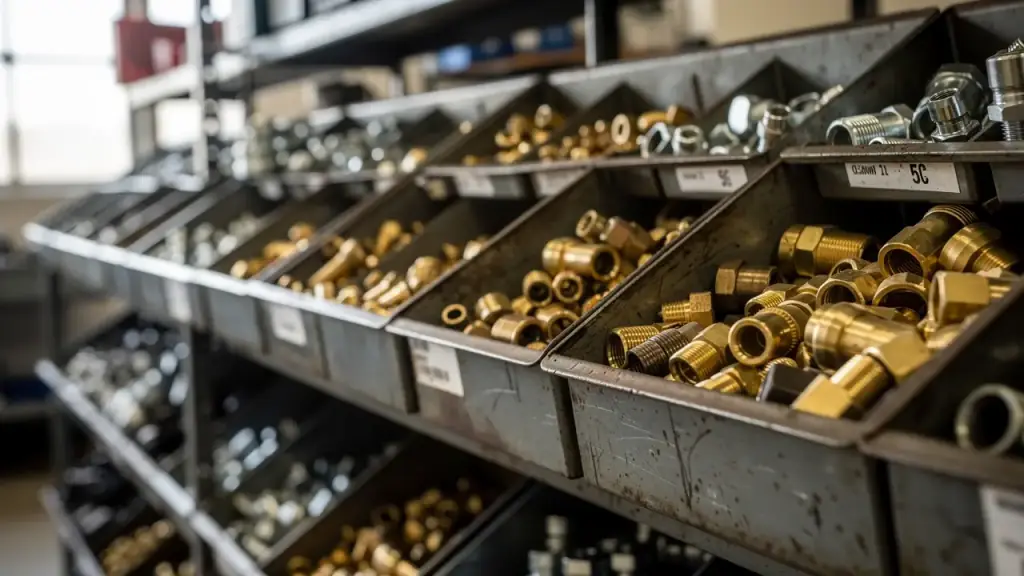
A hose is a system, not a tube
People often shop for hydraulic hose by length and diameter, then discover that the ends don't fit or the hose isn't built for the job. A hydraulic hose assembly has three parts that all have to agree: the hose itself, the fitting on each end, and the machine it connects to. Getting one of them wrong gives you a leak, a burst or a hose that won't thread on.
C & C Hydraulics carries high pressure, low pressure and pressure washer hoses, along with hose assemblies, fittings, adapters and couplings. Here's how those categories differ and what to check before you order.
High pressure hose
High pressure hose is built with reinforcement layers, usually braided or spiraled wire or textile, between an inner tube and an outer cover. It's what you find on the pressure side of a hydraulic circuit: from the pump to the valve, and from the valve to the cylinder or motor. Hose of this kind comes with a rating, and that rating has to be higher than what your system actually runs, including the short spikes that happen when a valve shifts or a cylinder hits the end of its stroke.
Don't assume a hose is adequate because it fits. Look at the markings printed on the old hose. They commonly show the size and a pressure rating. If the old hose is unreadable, ask the counter to help work out what the circuit needs, and tell them about the machine.
Low pressure hose
Low pressure hose handles return lines, suction lines and other places where the oil isn't under heavy load. Suction hoses in particular need to resist collapsing, because a pump pulling oil through a soft hose will starve itself. Return lines are gentler, but they still need to be compatible with the oil. Using a low pressure hose on a pressure line is a mistake that can be dangerous, so keep the two straight.
Pressure washer hose
Pressure washer hose is its own category. It's built for water at high pressure, often with quick connect ends, and it needs to handle being dragged, coiled and left in the sun. Don't swap it with hydraulic oil hose, and don't use hydraulic hose on a pressure washer unless the ends and the ratings truly match. If you're replacing one on a washer, bring the old hose or the pump fitting so the connection style can be matched.
Fittings: the part that causes the most trouble
Most hose problems that aren't the hose itself are fitting problems. The common thread families include NPT tapered pipe threads, JIC 37 degree flare, ORFS flat face o-ring seal, and straight thread o-ring boss. They can look similar. Some will even start to thread together without actually sealing.
- Fittings: the end attached to the hose, or the end that threads into a port.
- Adapters: connect two different thread types or sizes, such as a JIC end to an NPT port.
- Couplings: quick-disconnect or fixed joiners that let you connect and separate lines, common on attachments and tools.
An adapter can solve a mismatch, but every extra joint is another place to leak and adds length and bulk. If you can get the hose built with the correct end from the start, that's usually cleaner than stacking adapters.
Why matching matters
Mismatched threads can seem to work and then fail. A fitting forced onto the wrong thread may hold at low pressure and weep or blow off under load. Mismatched seats leave a leak path. A hose that's too short gets pulled tight when the machine moves. One that's too long can flop around and rub through its cover against a bracket or a tire.
Routing counts too. Keep hoses from twisting as they flex, because a twisted hose can fail early. Use clamps to stop rubbing, and leave a gentle bend rather than a sharp kink. Fluid compatibility matters as well: the inner tube has to suit the oil or fluid in the line.
A safety reminder
Pressurized hydraulic oil can pierce skin through a pinhole leak. Never run your hand along a hose to find a leak. Use a piece of cardboard, and relieve pressure and shut the machine down before you loosen anything. If a hose is bulging, worn through the cover, or leaking at the crimp, replace it.
What to bring
Bring the old hose with both ends attached if you can. Tell the counter the machine it came from, which line it is, and anything printed on the cover. Note the orientation of each end. If you can measure it, give the overall length from one sealing surface to the other, not the length of the rubber.
If you're not sure what you have, ask. Call C & C Hydraulics at (860) 582-0308 or email sales@cchydraulics.com. The shop is at 116 Wolcott Rd. in Terryville, and their parts department deals with hoses and fittings every day.
C & C Hydraulics & Lubrication, (860) 582-0308
Call (860) 582-0308More articles
What to Bring to the Hydraulics Counter
A few minutes with a rag, a tape measure and your phone camera can turn a long parts search into a quick answer.
Hydraulic Cylinder Leaking: Reseal, Rebuild or Replace?
Where the oil shows up, and how the cylinder behaves under load, tells you most of what you need to know.